
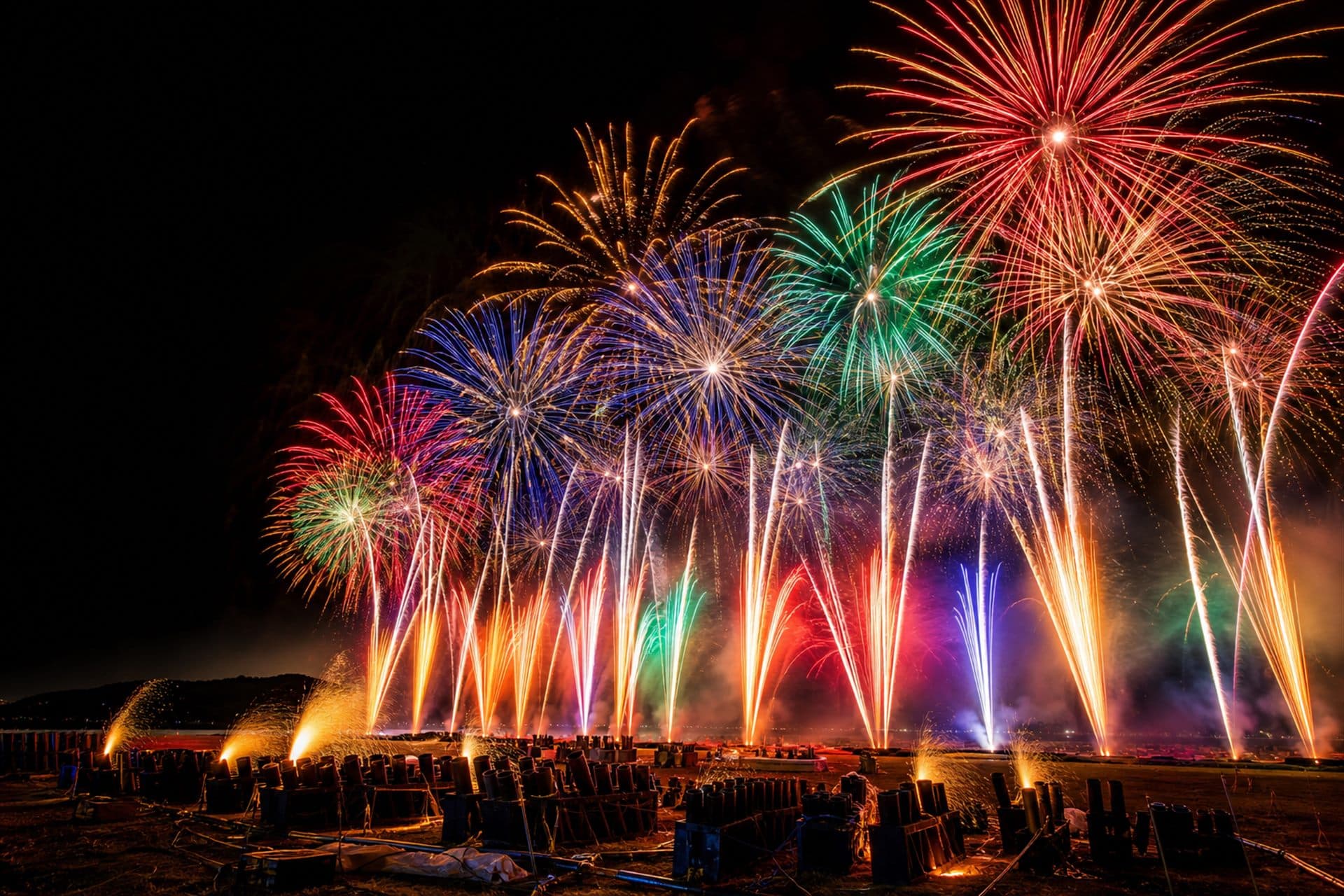
Heat, smoke and safety
The core difference is temperature. Cold spark fountains eject sparks that cool within a short distance, so they can be triggered metres from guests and performers. Traditional fireworks and gerbs burn with real flame and heat, demanding large safety perimeters and trained operators.
Smoke is the second dividing line. Fireworks produce smoke and a distinctive pyro smell that lingers indoors and can trip fire-suppression systems. Cold sparks are effectively smokeless, which is why they clear venue rules that fireworks never could.
Cost model: hardware vs consumable
Fireworks are a pure consumable — every show burns product you have to rebuy. A cold spark machine is durable hardware bought once, with only the titanium powder as an ongoing cost. Over a busy season, that reusable model can dramatically lower cost-per-event for a rental company.
This is also why the two products suit different business models. A display company firing weekend shows lives on fireworks volume; a wedding and events company builds a rental fleet of cold spark machines that pays for itself over dozens of bookings.
When to use which
Choose cold sparks for indoor weddings, ballroom galas, TV sets, nightclub moments and any venue with strict fire rules. Choose real fireworks and professional firing systems for large outdoor displays, festivals and finales where scale and sky-filling bursts are the point.
The smartest event businesses do not choose — they offer both, matching the effect to the booking. Sourcing machines, powder, firing systems, igniters and tubes from a single manufacturer keeps that dual offering simple and profitable.